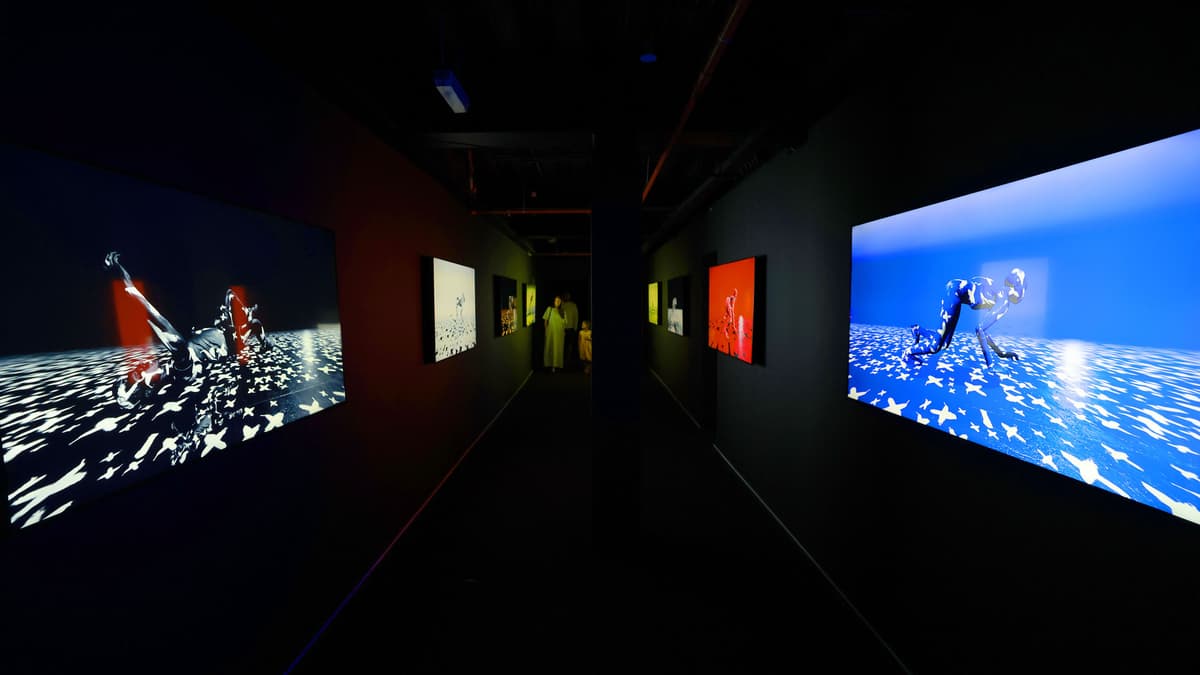
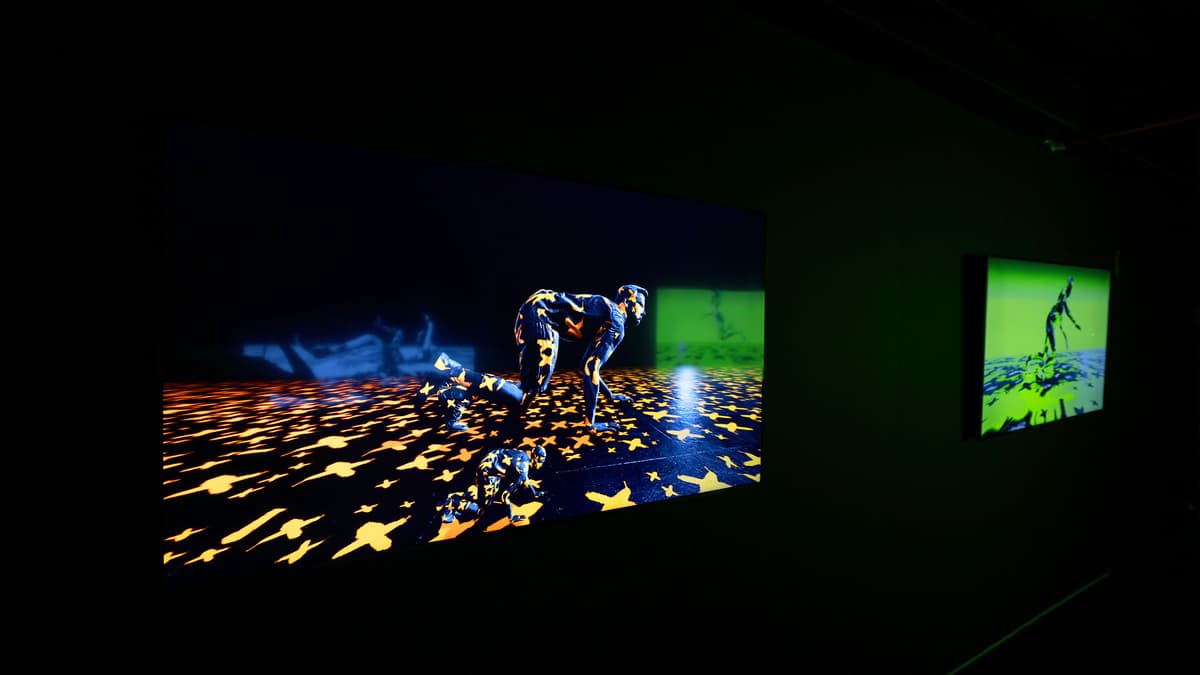
Half Cheetah uses Reinforcement Learning AI models running in real-time. Each piece shows runners on a never-ending journey towards an unknown destination. Whether as most AI agents optimise towards improvement, in Half Cheetah they trend towards failure and repetition. Each artwork is a piece of functioning software that has no utility, but nevertheless sustains an existence.
The process of building Half Cheetah starts with a dm_control agent learning to control a 3D animal-like body from scratch. Some of these agents take the form of a halfcheetah, an abstracted mammalian body that can only function in digital space. The optimisation process for these advanced AI models takes several days and includes hundreds of thousands of steps, as the models progress from incapability to competence. These behaviours are then transferred onto 3D scans of real people who sold the rights to their body's form online. They are ‘re-skinned’ with textures found on the internet.
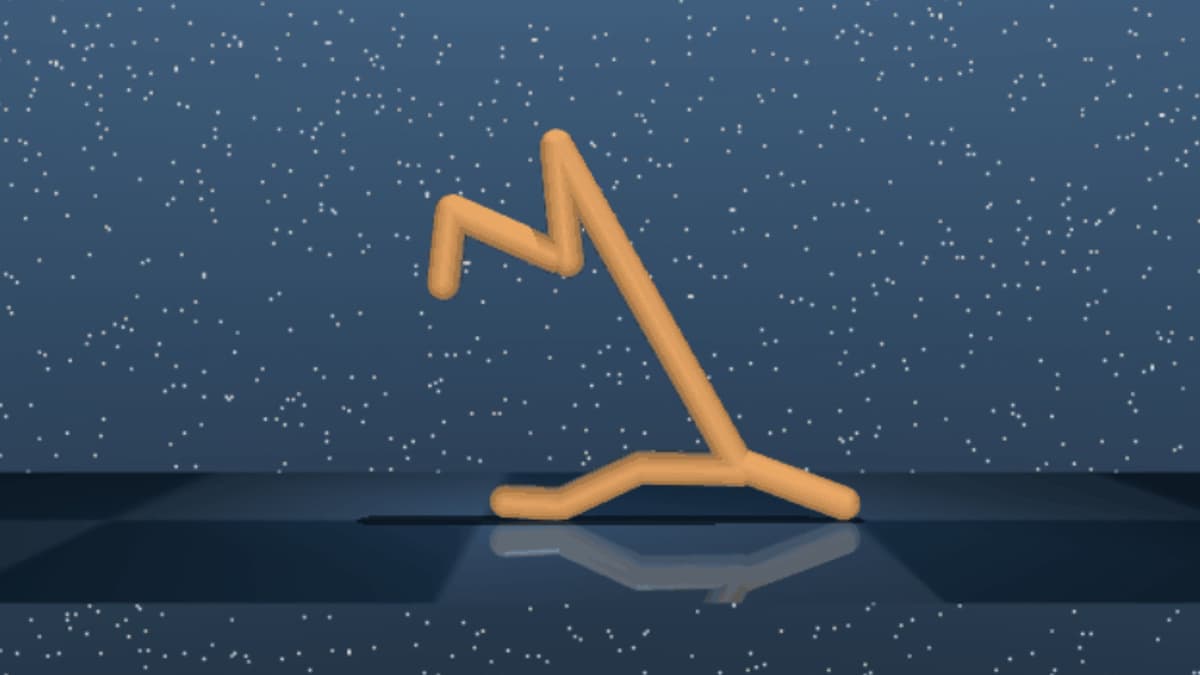
In the artworks presented here, a second Reinforcement Learning agent analyses the 3D body motion in real-time and re-orders movement according to abstract aesthetic goals, resulting in a broken flow of body movements played out in the software. A live dismantling of the goal-seeking impulse.
The technical process by which a Reinforcement Learning agent learns to use a body is analogous in some ways to our own physical development. The agent is first given a body in virtual space and its goal is to learn how to move efficiently and effectively from scratch. It starts off helpless and becomes proficient over time.
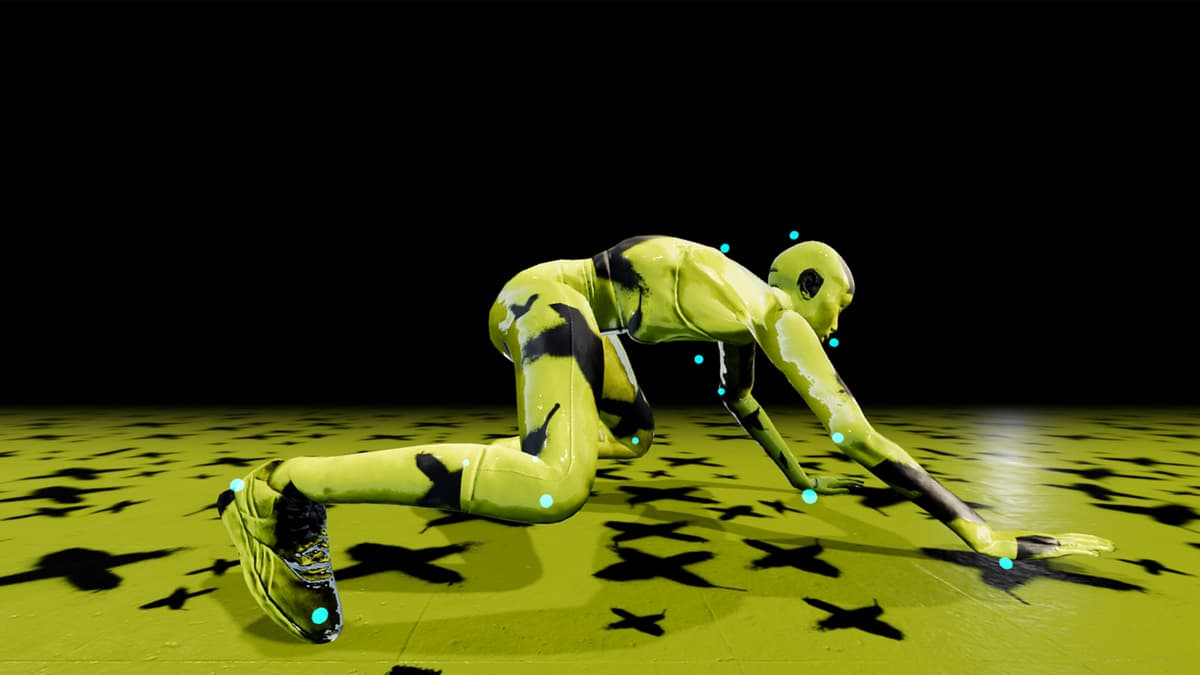
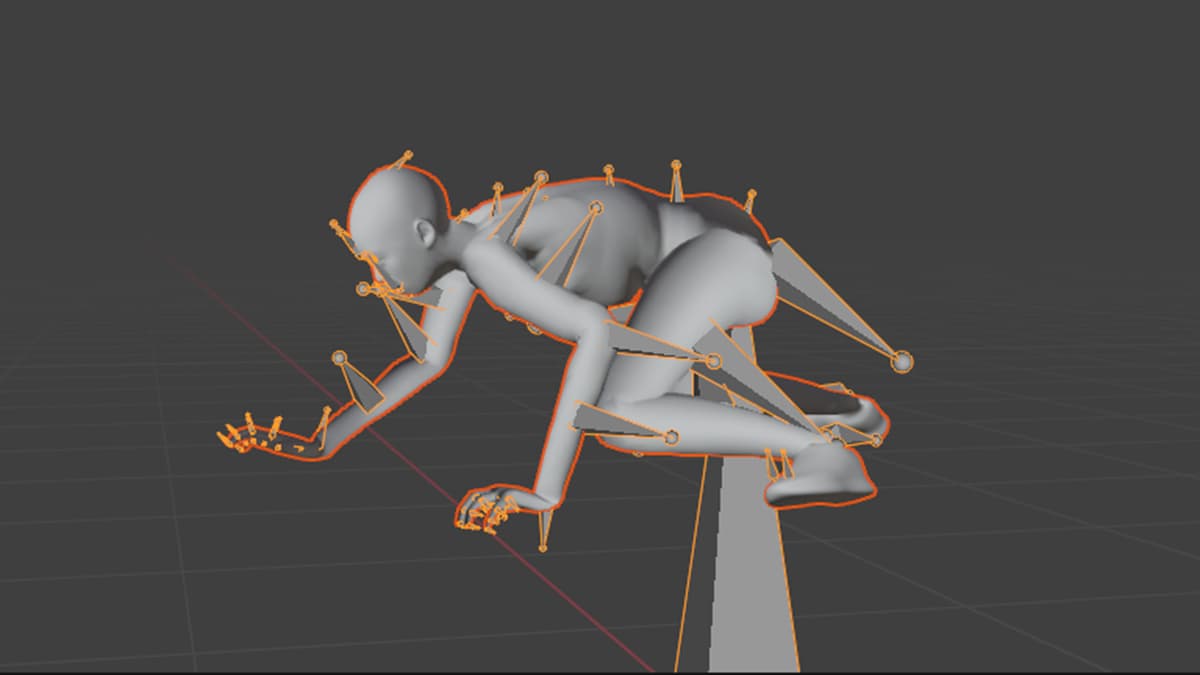
By transferring and adapting these AI-simulated behaviours onto 3D scans of real people’s bodies, some common patterns in performance maximisation between human and software bodies are made visible in one combined form, to the viewer.
The second RL model reorganises motion towards abstract aesthetic goals. Any linear progression of performance is broken down in real-time. In its place a problematic flow of behaviours are played out, sometimes competent, sometimes failing.
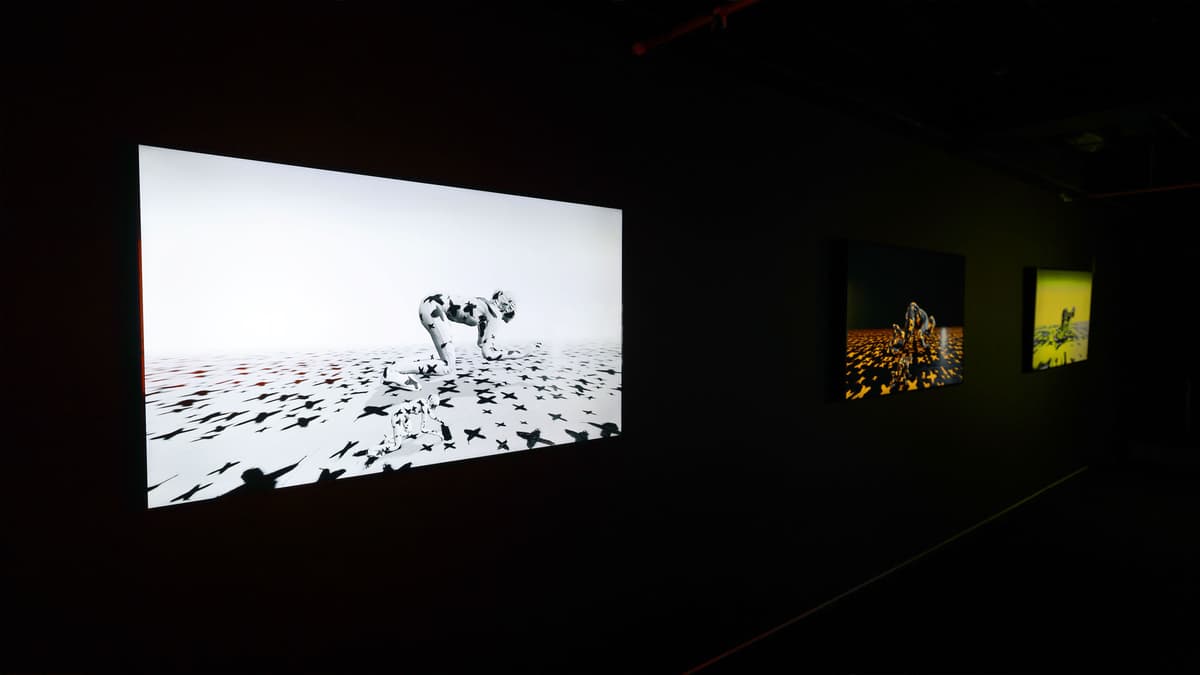
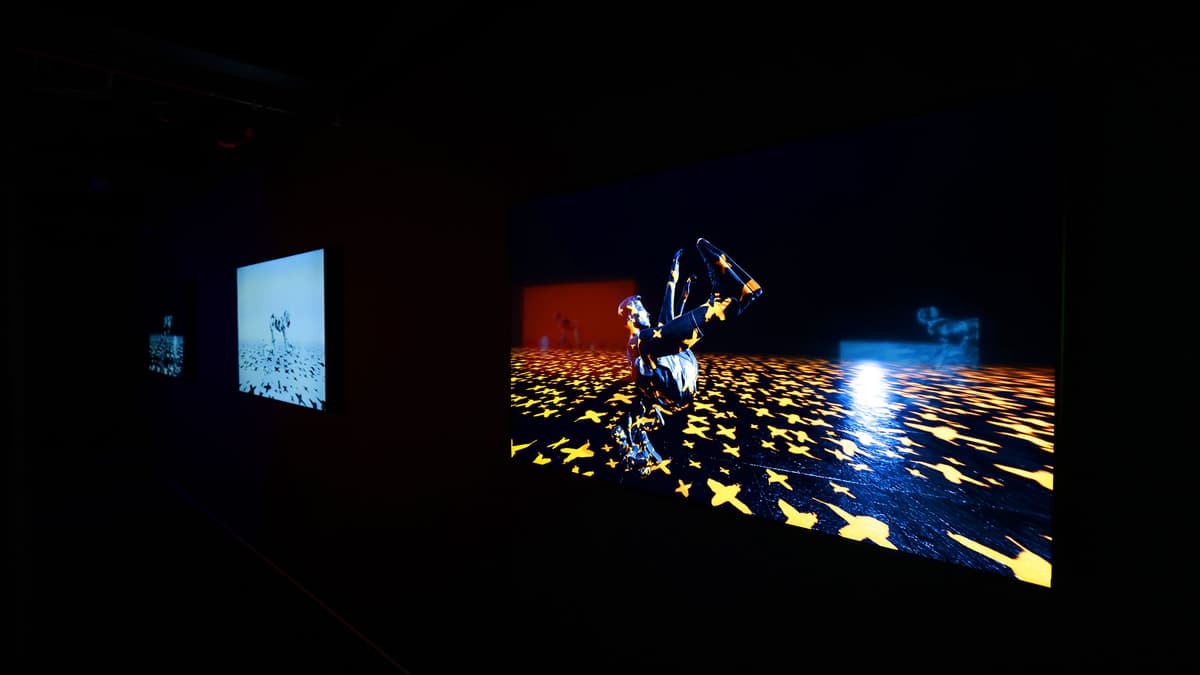
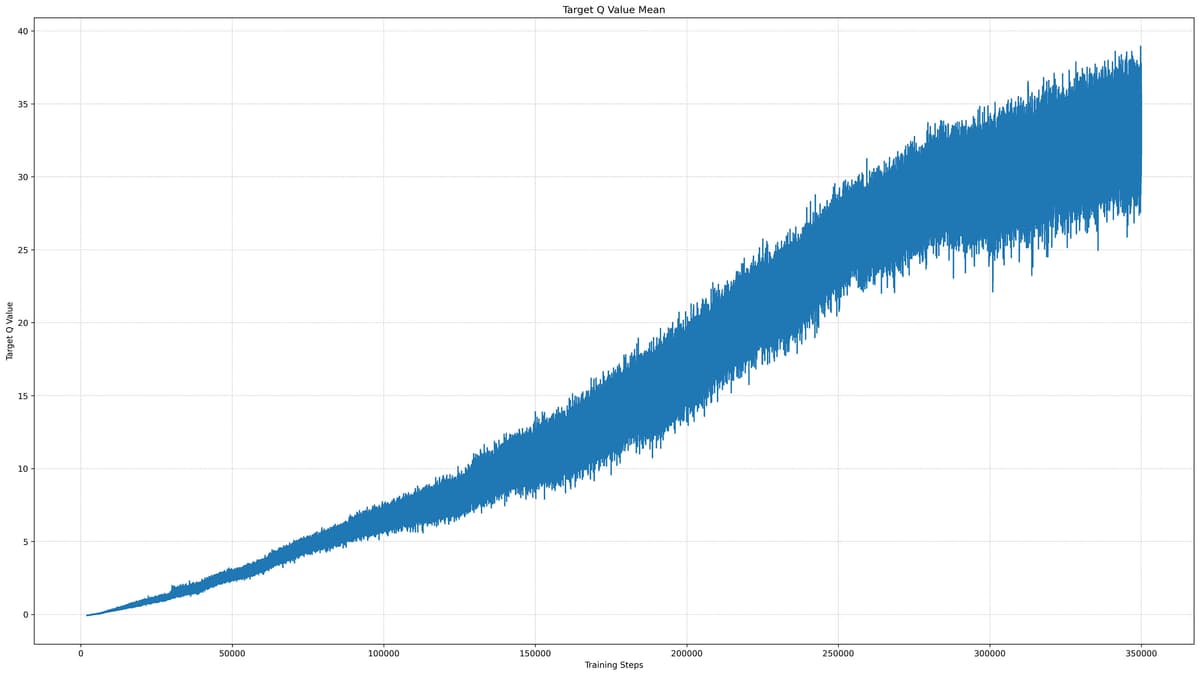
Each of the 180 live software artworks is unique, with its own unique Reinforcement Learning convergence goal. However, a goal achieved may not appear like an achievement. The RL models can also fail completely. In either case, the models will start their learning process again from scratch. To look at statistics of the live progress of a model, press 'C'.
Half Cheetah is exhibited at Palazzo Mora and Palazzo Albrizzi-Capello during the Venice Biennale 2026. It had a solo presentation at Abu Dhabi Art and the book ‘James Bloom, Half Cheetah’ is published by Mousse. The academic paper ‘Half Cheetah: Everting Reinforcement Learning through Art’ was presented and will be published by CoMDiF, Madrid. The artwork has been exhibited at the Computer Vision & Pattern Recognition Conference, Nashville, POSITIONS Berlin and won a CIFRA Speculative Agency Award. A recording of the CoMDiF lecture on Half Cheetah can be seen here.

